
- East Side Acupuncture6515 Basile Rowe
East Syracuse NY 13057
181 Kenwood Ave.
Oneida, NY 13421(315) 569-6579 East Syracuse Hours
Tue9am-6pmThurs9am-6pm
Oneida Hours
Wed9:30am-5:30pm
-
- Sign up to receive news and updates and get my free report:“The Top 10 Reasons to Try Acupuncture”

-
- TestimonialsWhy acupuncture? Why not?! Couldn’t hurt. My husband and I had been trying to get pregnant for 4 years. We were charting my BBT and watching for “signs” of fertility. We tried a ton of stuff. One day my mother had asked if I had ever considered acupuncture for fertility. She said that she had a co-worker whose daughter tried it for her fertility and after one session she ended up pregnant! I thought about it and figured that we... Read more »
When I decided that I wanted to stop drinking; I knew I needed help. I saw a commercial on tv for a addiction recovery place and in it someone was receiving acupuncture. I thought it was a place to start. I found casey on line and made a appt. He asked questions and took some history with out being judgemental then proceded with a treatment. For the first few weeks I was anxious but Casey gave me herb supplements and had me take note of... Read more »
I lead a very active lifestyle and for 4 years I had been experiencing pain in my arms as well as fatigue and shortness of breath whenever I worked out. I had been to several doctors who prescribed the general remedies; iron supplements, ibuprofen and rest. Finally I just gave up and conceded to the idea that the pain would never go away. After constant nudging from my training coach I agreed to go see Casey not really knowing what to expect but... Read more »I sought Casey’s help last year when I started nursing school and became physically ill from all the stress. I had a lot of trouble with my shoulder/back/neck, could not breathe well, and kept having weird pains all over I could not really explain. Casey was able not only to begin unlocking all the chaos in my body, but also to instruct me on the beginnings of better living that have all started coming together. The effects are not always... Read more »
After living a year in terrible pain even after a cortisone shot and physical therapy, I was regretfully facing shoulder surgery for an impingement. At this point, I decided to try one last thing…acupuncture. I found Casey through a referral and he was able to completely relieve my shoulder pain through acupuncture…something that I only thought that surgery and a long road of physical therapy would do. I would recommend Casey to anyone considering acupuncture…he explained exactly what he was... Read more »
I have been treated by Casey for an arthritic neck and lower back and have felt an over-all effective reaction to the acupuncture treatment. I recommend him to my friends and they also have had good results.
I was referred to Casey Lewis for sciatic pain in my leg, which being a hair dresser was becoming extremely difficult to bear. I was also experiencing hot flashes, day and NIGHT. After one treatment, my pain level immediately went from a 8 to a 1, and I have not had a hot flash since!! I have seen Casey only 6 times in 5 months, and my life now is practically pain free. I would recommend acupunture to anyone looking... Read more »
I saw Casey for 16 sessions recently. When I went to see him on a referral from a friend I was most concerned with back pain, but I was also working on some weight loss and thought this would help, as well as some stress relief. I was amazed that after the first visit I had absolutely no back pain and that would last about the full two weeks until I saw him again. He has also helped me with... Read more »
I have had 8 sessions with Casey, for a few issues I was having. Horrible leg cramps were keeping me up. After the first session (and it doesn’t hurt) I had a great nights sleep. My hands and fingers do not go numb, and my overall physical and mental feelings have become much better! I definitely recommend this New/Old treatment to anyone with problems, and definitely before you decide to have surgery. It just might avoid it! (like it did... Read more »


Acupuncture
Sticking to your New Year’s Resolution: The Trick is Not What You Think
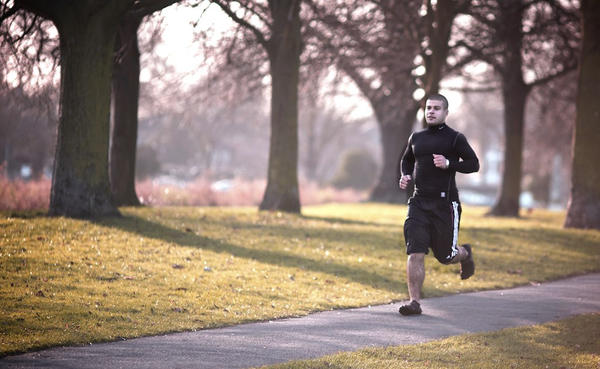 It’s New Year’s again. It’s time to make a resolution.
And you know the drill. You set goals. You work on them for a couple of weeks. You begin to flag.
Many times you give up by February.
Your New Year’s resolution becomes a distant memory until the next New Year’s when you feel slightly guilty and begin the whole process again.
If each year you make a resolution and each year you break it, something has to change. The only way this year can be different is if you do something different.
The trick is not changing your resolution. The trick to achieving your resolution is to use an entirely new plan to reach it. continue reading
How to Unhook Your Logical Brain and Gain New Insights on Last Year
You’ve probably heard of right-brained vs. left-brained activities.
Right-brained activities are creative, intuitive and subjective. Left-brained activities are linear, analytical and logical.
It has been a popular myth that people prefer right-brained or left-brained activities because they have a dominant side of the brain. It turns out that while certain activities are wired on one side of the brain (for example language tends to be on the left), people use each side of the brain equally.
So if the brain is wired for both activities, why is creative thinking so hard? continue reading
6 Facts to Know When Using Acupuncture to Quit Smoking
 Smoking is a strong, complicated addiction. Quitting smoking is no small task and you will need lots of support to be successful. You need the best tools to help with the physical and emotional symptoms, and acupuncture is a great resource to help you succeed.
Here are the 6 things you should know about using acupuncture to quit smoking. continue reading
Laser Acupuncture
At East Side Acupuncture we try to incorporate modern knowledge with ancient wisdom. One way that we are doing that is through the addition of laser acupuncture to the services we offer.
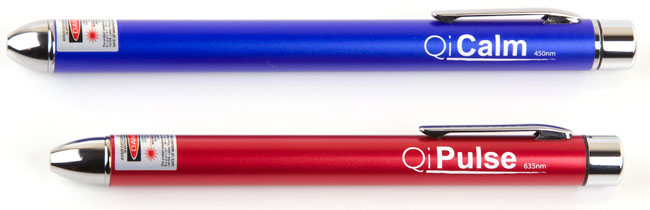
What is laser acupuncture?
Laser acupuncture is a needle-less technique that uses low level lasers (aka “cold lasers”) to stimulate the acupuncture points. They are called low level lasers because they have a relatively low output, and are sometimes called cold lasers because the output is not strong enough to create any heat.
Laser acupuncture is a great option for anyone who is afraid of needles and unwilling to try traditional acupuncture and for children. If you have been trying to get a friend or family member to try acupuncture but they have been resistant encourage them to try laser acupuncture.
Another great advantage is as an alternative to needling in sensitive areas such as the foot for treating plantar fasciitis, neuropathy, or foot pain.
Laser acupuncture will be available to patients at both our Syracuse office and our Oneida office. Rates are the same as traditional acupuncture.
Honest Answers to Your Top Acupuncture Questions
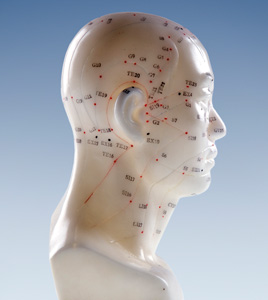 A few weeks ago, I asked for your most pressing acupuncture questions. I’ve compiled the most common questions and I noticed one distinct trend—there are a lot of questions about the needles. Some of you must be nervous about getting needled!
If these acupuncture answers don’t put your fears to rest, call me for more information. Acupuncture brings good health, relaxation and vitality. I don’t want fear to stop you from getting treatment. continue reading
The Best Home Gym Equipment for Less than $50
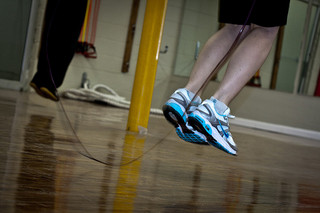 Don’t you love how great you feel when you work out regularly?
You’re alert, you sleep better, and it’s easier to stay calm and optimistic. Once you get in the routine of working out and keeping a healthy routine, it’s fun.
But there’s always something that stops you. For most of us, it’s either time or money. We don’t have time, and gym memberships are too expensive.
Let’s imagine a dream solution. You want the fitness tools you find in a gym but you want to do it at home so it’s convenient. You want aerobics, strength and stretching so you have a good holistic workout.
And most importantly, you don’t want to spend more than $50 on any piece of equipment.
Can you build a home gym with that budget?
continue reading
What Are Your Acupuncture Questions?
 Questions? Comments? Concerns?
Normally I use this blog to tell you a little about my favorite topics, Traditional Chinese Medicine (TCM), acupuncture and natural health. But today I want to do something different.
I want to learn more about you.
Today I want to know what your concerns and questions are.
Ask me anything, basic or complicated. Ask about TCM, acupuncture or general health. Ask about injuries, illness or disease. Whatever is on your mind, ask the question.
Contact me here, and I’ll reply to your questions as soon as I can.
When The Treatment Is Scarier Than The Illness
Recently a patient was asking me why some people need knee replacements even though they are not physically active and had no injury. “Do they just ignore the problem?” Not being an orthopedic surgeon I can’t definitively answer that, but certainly in many cases our health problems are made worse by not being proactive about treating them. Remember the old adage “An ounce of prevention is worth more than a pound of cure”?
As we continued to discuss the idea of being proactive my patient brought up a very good point. Maybe it is not that people are purposefully ignoring their health issues, but they are more afraid of the treatment than they are of the problem. I think he may be onto something.
The mindset in our country is that there is a “pill for every ill”. That’s all well and good but we’ve all heard the disclaimers on drug commercials. Certainly itchy eyes and runny nose is better than having a stroke. If it is a musculoskeletal issue then there is always the fear of needing surgery. For many people it is better to ignore a minor complaint than to deal with it and have to deal with possible risks or side effects. The problem with that strategy is not knowing when to stop ignoring the problem and deal with it. The longer it is ignored the bigger the problem may become and the scarier the treatments will get.
This may not seem like a big issue at first glance. Either people take care of their health or deal with it later and maybe have bigger problems. For myself and my fellow acupuncturists the problem is bigger. We know we can help these patients and we do our best work when the problem is still minor. However, our medical system still does not do a great job of offering alternative solutions. Doctors do not recommend them enough and insurance companies often do not cover them. We need everyone’s cooperation to help bring acupuncture out of the fringe and make it an option for patients.
For the patients and their family and friends – don’t ignore your health. Sometimes little issues do go away on their own and that’s great. Ignoring a problem, however, doesn’t make it go away. Those little aches and pains are a signal that something is wrong and needs to be fixed or something needs to be changed. Rather than ignore the issue see your doctors and other health care professionals and if they are recommending a treatment that might have some scary side effects ask them for more information about the risks. Seek out alternative methods. It might not be covered by insurance but treating an issue early with acupuncture might require two or three visits. Waiting and creating a bigger problem will make it more expensive to treat (regardless of how you treat it), more time consuming, and decrease the chance of a complete recovery. Speak up and let your healthcare providers know you want more options for treatment, write or call your HR department (or whoever determines your insurance options) and let them know you want policies with alternative treatments covered.
The Secrets of Acupuncture for Children: Getting Kids to Love Acupuncture Needles
 Acupuncture is great for children.
Children are very responsive to the acupuncture needles and often show great improvement after a treatment. Acupuncture is fantastic for many childhood illnesses like coughs, fevers, ear infections, bed wetting, digestive issues, colic, allergies, ADD and ADHD. And more and more research proves that acupuncture is safe for kids.
But many parents worry that their kids will hate the needles. They want to avoid a treatment that is traumatic and difficult.
How do you give a child a treatment which they may not like?
The answer is that you do it kid style. continue reading
More than Needles: 3 Traditional Chinese Medicine Therapies You Can Do at Home
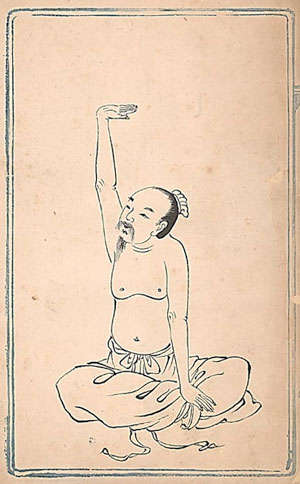 If you asked the average person how Traditional Chinese Medicine (TCM) keeps you healthy, they would probably answer that it uses acupuncture needles.
That is a good start.
TCM is a complex understanding of how Qi, or life force, affects your health. Qi flows through meridians passing through points which can be used to regulate and control that flow. When the flow of Qi increases, decreases or its quality changes, your health is affected. The most common way to manage the flow of Qi is with acupuncture needles.
But TCM is much more than needles.
In the second part of our two-part series “More than Needles,” you will learn three ways to keep yourself healthy using Traditional Chinese Medicine principles at home. By using these techniques in your daily life, you will be in charge of your health. continue reading